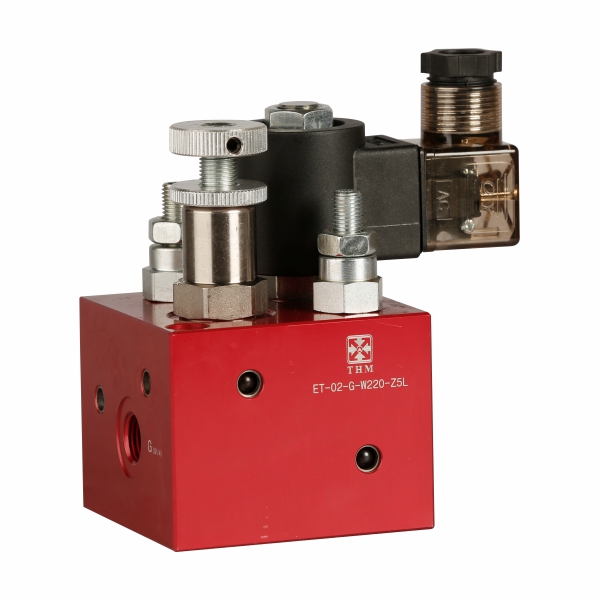
In the realm of industrial machinery, hydraulic systems play a vital role in ensuring efficient operation. Central to these systems are hydraulic valves, which control the flow and pressure of hydraulic fluid. For Indian businesses looking to optimize their machinery performance, selecting the right hydraulic valve is crucial. This article provides expert tips to guide Indian businesses in making informed decisions when choosing Hydraulic Valve Types in India.
Understanding Hydraulic Valves
Before delving into the selection process, it’s essential to understand the basic functions of hydraulic valves. These valves regulate the flow of hydraulic fluid within a system, enabling precise control over movement, pressure, and direction. Key components include directional control valves, pressure control valves, and flow control valves, each serving specific purposes in hydraulic systems.
Types of Hydraulic Valves
Hydraulic valves come in various types, tailored to different operational needs. Common types include:
1. Directional Control Valves
These valves manage the flow direction of hydraulic fluid, determining the actuator’s movement.
2. Pressure Control Valves
Maintaining optimal pressure levels within hydraulic systems, these valves ensure safe and efficient operation.
3. Flow Control Valves
Controlling the rate of fluid flow, these valves regulate the speed of hydraulic actuators.
4. Proportional Valves
Offering precise control over flow and pressure proportionality, ideal for applications requiring fine adjustments.
Factors to Consider When Choosing a Hydraulic Valve
Selecting the right hydraulic valve involves evaluating several critical factors:
1. System Requirements
Understand the specific needs and operating conditions of your hydraulic system.
2. Valve Performance
Consider factors like flow rate, pressure rating, and responsiveness tailored to your application.
3. Compatibility
Ensure compatibility with existing system components, including actuators and pumps.
4. Environmental Conditions
Account for factors such as temperature, humidity, and exposure to contaminants.
5. Cost and Quality
Balance cost considerations with the quality and reliability of the hydraulic valve.
Expert Tips for Indian Businesses
Choosing the optimal hydraulic valve for Indian businesses requires a strategic approach. Here are expert tips to streamline the selection process:
1. Conduct a System Audit
Assess your hydraulic system’s current performance and identify areas for improvement.
2. Consult with Industry Experts
Seek advice from experienced professionals or hydraulic specialists familiar with Indian industrial needs.
3. Prioritize Reliability and Durability
Opt for valves that can withstand the rigors of Indian operating conditions, ensuring longevity and minimal downtime.
4. Embrace Technological Advancements
Explore modern valve technologies that offer enhanced efficiency and control capabilities.
5. Consider After-Sales Support
Choose suppliers or manufacturers offering reliable after-sales service and technical support.
Conclusion
Selecting the right hydraulic valve is pivotal for Indian businesses seeking optimal performance and efficiency in their machinery operations. By understanding the key factors and leveraging expert tips, businesses can make informed decisions that align with their operational needs and industry standards.